Milan Naval Exercise And The Strategic Tightrope Of India’s Iran–US Balancing
· Free Press Journal
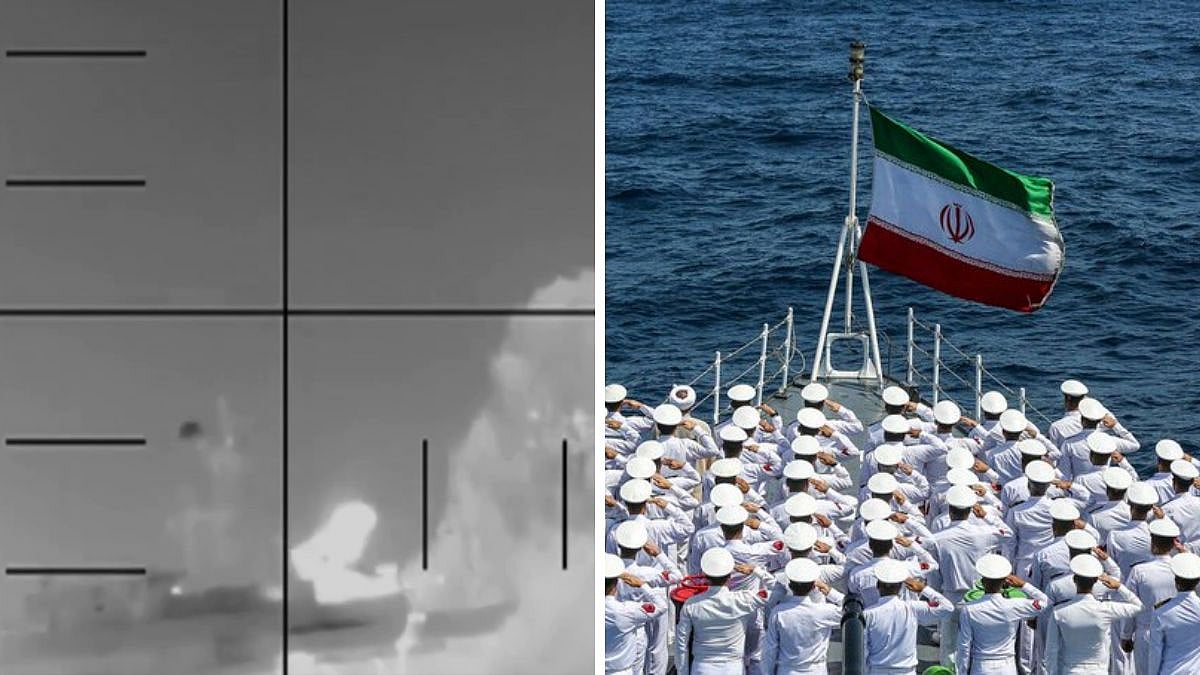
When Vikram Misri, India’s foreign secretary, stepped into the Iranian embassy in New Delhi this week, he was not merely performing a diplomatic ritual. Barely had the Iranians opened the condolence book for Ayatollah Ali Khamenei—killed in a joint American-Israeli strike—than Misri ceremoniously arrived to sign it.
No amount of haste can mask the profound awkwardness of the moment. The ink on the grieving page dried against the backdrop of a visceral loss at sea: the sinking of the IRIS Dena, an Iranian frigate torpedoed by an American nuclear submarine in the Indian Ocean, right near waters lapping the Indian shores.
Visit chinesewhispers.club for more information.
A guest turned casualty
The timing was cruelly poetic. Only days earlier, the Dena had been a "guest" of the Indian Navy at the Milan 2026 exercises in Visakhapatnam. As Iran’s foreign minister, Seyed Abbas Araghchi, pointedly noted, the ship was struck while returning from an exercise meant to foster "camaraderie". For Tehran, the Dena was under India’s metaphorical roof; for Washington, it was a target in an illegal and broadening war that is spilling out of control.
India’s maritime diplomacy under scrutiny
Consider the timing: Milan exercises have long been the crown jewel of Delhi’s maritime diplomacy. Its significance lies in its "convening power". By bringing together 70 nations—hosting both American patrol aircraft and Iranian frigates—India asserts a form of naval superiority, albeit more diplomatic rather than purely kinetic. It casts itself as the "preferred security partner" in the Indian Ocean, a neutral ground where the rule of law is curated by Delhi.
Yet, the "guest" status of the Dena highlights the fragility of this pose. Historically, India’s condolences to Iran were robust; when President Ebrahim Raisi died in 2024, India declared a national day of mourning.
A restrained diplomatic response
This time, the response was a study in clinical detachment. New Delhi did not so much as squawk about the downing of the vessel in its own backyard, except to issue a sterile protest of innocence, insisting that no part of Indian territory was used to facilitate the attack.
Strategic balancing and shifting alliances
This silence reflects the steady weaning away from Tehran under persistent American pressure. The partnership is being dismantled piece by piece, most notably in the quiet disinvestment from the Chabahar port. Once hailed as India’s gateway to Central Asia, the project saw its allocation slashed to zero in the latest Union Budget as New Delhi prioritises its standing with a Washington that has revoked previous sanctions waivers.
India’s ambition is to be the resident power in the ocean that bears its name. After Dena, the message is as ironic as it is clear: hosting a party in water is one thing; keeping the peace among the guests is quite another. For all the signatures in condolence books, India is finding that its strategic autonomy is a tightrope walk over a shark tank, and in these cold waters, there are no true safe harbours.