Are You Oversharing Without Realising It? 2026’s Biggest Emotional Trap
· Free Press Journal
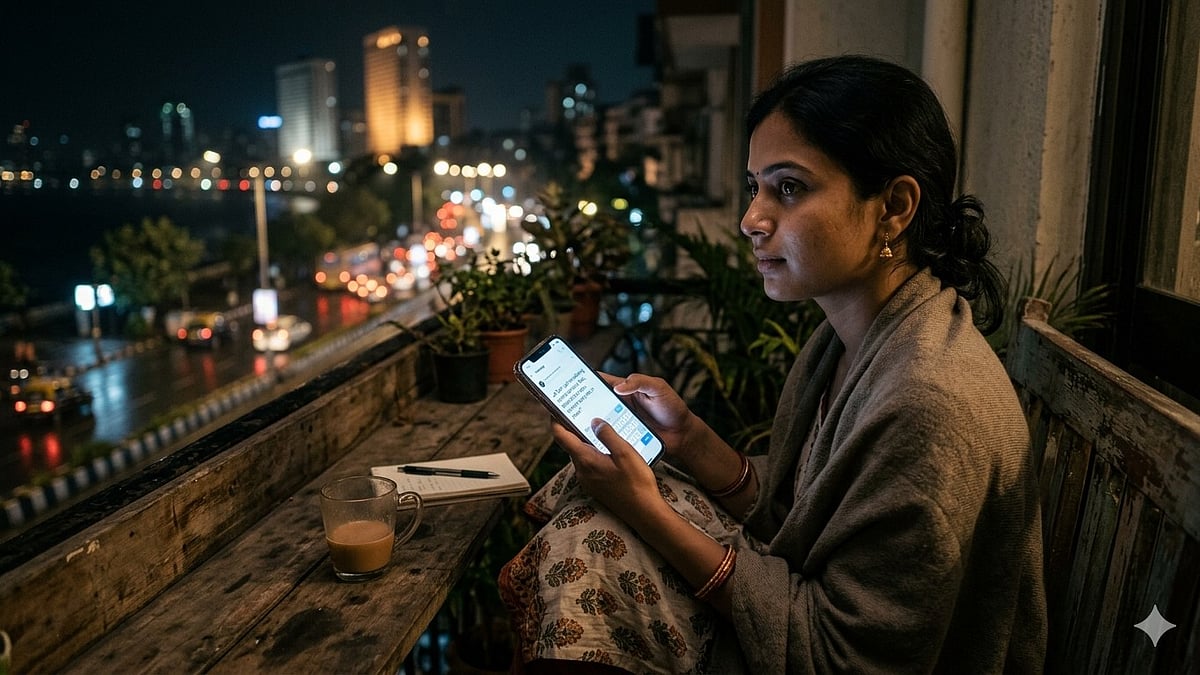
The mantra of 2026, for many, seems to be – living more mindfully, speaking more intentionally, and protecting emotional space. Yet in a world where conversations now unfold online long before they happen in real life, oversharing remains one of our most persistent habits. Whether it is confessing intimate worries to strangers on social media, narrating relationship drama to colleagues, or typing emotional monologues at 2 a.m. before the new year even settles in, the line between sharing and oversharing has never felt thinner.
The past year taught us to talk more openly about mental health, relationships and vulnerability. But somewhere between honesty and emotional overflow, many of us realised that openness without boundaries often leaves behind regret.
Visit newsbetting.cv for more information.
A 2025 Digital Behaviour Trends Report notes that nearly 62% of Indians under 35 have experienced “post-sharing regret,” while 48% report oversharing in person during emotionally heightened moments. As we step into 2026, psychologists say oversharing is not merely a social habit. It is a psychological response shaped by emotion, validation needs, digital design, and the universal longing to feel seen.
Roles emotions play
Oversharing rarely stems from a lack of intelligence or self-control. More often, it is the by-product of emotional overload that spills out before it can be contained. Media professional Anjali Chandak shares, “Emotions are like a cloudburst. They build up silently, swelling over time, until they reach a breaking point—sudden, uninvited, and unstoppable. In that moment, the person often loses awareness of their surroundings or the appropriateness of the situation. Words spill out not with intention, but with intensity. Yet in that flood lies a strange relief—a cleansing, like rain washing away the dust that has long settled.”
This sudden release is familiar to many. Rupali Rani, Assistant Account Manager at The Reppro, shares, “Sometimes, I catch myself oversharing not because I want to but because there’s this weight of anxiety I can’t shake off. The nervousness creeps in, and before I know it, I’ve said more than I intended, hoping someone will understand what I’m really feeling. It’s a strange thing—this desperate need to be heard, even if it means oversharing.”
For some, oversharing emerges from emotional resonance rather than trauma. Nisha Popli, PR professional, says, “I have often found myself oversharing in the heat of emotions, not necessarily as a trauma response, but when I am too anxious, too happy, or deeply moved. It feels like an instant release, but it can leave me vulnerable later. I’ve realised oversharing often comes from an underlying need to be heard or understood.”
And sometimes, oversharing reveals an inner longing for visibility and emotional intimacy. Grusha Khanna, PR professional, describes this with unfiltered honesty: “I am a heart that always wants to shout, whether squeezed by anxiety or carried away by joy. I overshare because every feeling—bright or dark—seems too large to hold inside. I talk too loudly when I’m afraid I’ll be invisible. Even in my overflow, there’s a truth: I’m craving connection. Maybe that’s not a flaw, but the bravest part of me, reaching out for someone to meet me exactly where I am.”
What science says
A wave of behavioural research emerging in 2024–25 helps decode why oversharing has become so widespread as we enter 2026. A global-scale study of adolescents (N=352; Behavioural Health Review, 2024) found that anxiety, attention-seeking behaviours, and problematic social media use were strong predictors of online oversharing. This explains the rise of phenomena such as sadfishing and the viral “confession wave” on TikTok in early 2024, where thousands publicly revealed fears and dilemmas for comfort and recognition.
Dr Sandeep Vohra, renowned psychiatrist and founder of NWNT Ai, explains, “Oversharing is usually less about impulsivity and more about unmet emotional needs being expressed through an always-on, reward-driven digital environment. Oversharing often functions as an attempt to gain validation, reduce loneliness or test social bonds, yet it can backfire when responses are sparse, performative or judgmental.”
The 2025 Global Digital Wellbeing Index also reports that heavy social-media users experience 37% higher levels of loneliness—one of the strongest emotional triggers behind excessive disclosure.
Why people overshare
Emotional arousal: Stress, excitement, or anxiety loosens internal filters. Disha Sharma, psychologist at Lissun, says, “Stress or emotional highs make people reveal more than intended. That’s why a small disagreement turns into a detailed emotional outpouring.”
Searching for validation: Social media is designed to reward disclosure. Sharma adds, “Likes, comments and sympathy are dopamine triggers. For many, the instant feedback loop feels rewarding even if it backfires later.”
Trauma and unprocessed emotions: Oversharing can emerge from unresolved past experiences. Sharma notes that “someone who felt unseen in childhood may repeatedly share their struggles as a way to feel acknowledged.”
Loneliness and low self-esteem: Talking excessively in meetings or to strangers often stems from insecurity or fear of invisibility. Rupali’s and Grusha’s experiences reflect this emotional need for connection.
Digital culture normalising disclosure: Dr Sujit Paul, mental health and life coach, explains, “Social media makes constant updates the norm instead of the exception. The boundaries between public and private have become blurry lines.”
He adds, “Oversharing has its root in human attachment and validation needs. People overshare seeking acceptance, empathy, or attention. It becomes a coping mechanism for loneliness, anxiety or unresolved trauma.”
How it shows up in daily life
Oversharing often looks deceptively ordinary, which is why we fail to recognise it in the moment. It can manifest as narrating intimate relationship fights to co-workers during casual conversations, posting emotional breakdowns online during late-night anxiety spells, revealing personal health or family issues to acquaintances, or sharing minute-by-minute breakup updates on social media.
What begins as an attempt to connect often leaves the sharer feeling exposed, misunderstood, or emotionally drained. Sharma puts it, “Oversharing often reveals more about our emotional needs than our stories themselves.”
Across the voices in this story, a pattern emerges: oversharing is, at its core, a search for belonging, comfort, resonance, visibility or relief. It is less about information and more about emotional need.
Emotional Baggage Is Weighing You Down—Here’s How Letting Go Can Set You FreeHow to share without regret
Oversharing is not resolved by silence but by awareness, emotional regulation and intentional communication. Psychologists outline several effective, sustainable strategies grounded in behavioural research.
Pause before you speak or post: A brief pause, ten seconds in a conversation or a few minutes before posting, can dramatically shift what we choose to reveal. Siddhi Aiya, counselling psychologist at Alyve Health, says, “Ask yourself: Is this the right person, the right time and the right level of detail? That pause can prevent regret.”
Choose safe spaces: Sharing is powerful when done in the right emotional container. Oversharing often occurs when intimate disclosures are made to people emotionally unequipped to receive them.
Build boundaries without guilt: Boundaries do not restrict connection; they strengthen it by creating emotional clarity.
Create healthier emotional outlets: Redirecting emotional overflow towards journaling, therapy, art, movement or reflection helps process feelings safely.
Work on internal validation: When self-worth is anchored internally, the need to seek approval through excessive disclosure naturally diminishes.
Strengthen offline support systems: Relationships built offline provide grounding. Dr Vohra notes, “The antidote is not censorship but healthier outlets and skills: paced self-disclosure, stronger offline support and better coping strategies.”
Notice emotional triggers early: Stress, loneliness, excitement, alcohol, fatigue or long-suppressed emotions can lower emotional boundaries.
Oversharing reflects our unfiltered desire for connection, belonging and understanding in a world that seldom pauses to listen. It is a human impulse, messy, emotional and deeply relatable. But as we step into 2026, perhaps the invitation is not to speak less, but to speak with more awareness. The fleeting relief of spilling everything rarely offers the comfort it promises. Instead, the most meaningful connections are built slowly, intentionally, and with emotional honesty that also knows when to pause.