What to Know About Cicada, the New COVID Variant
· Time
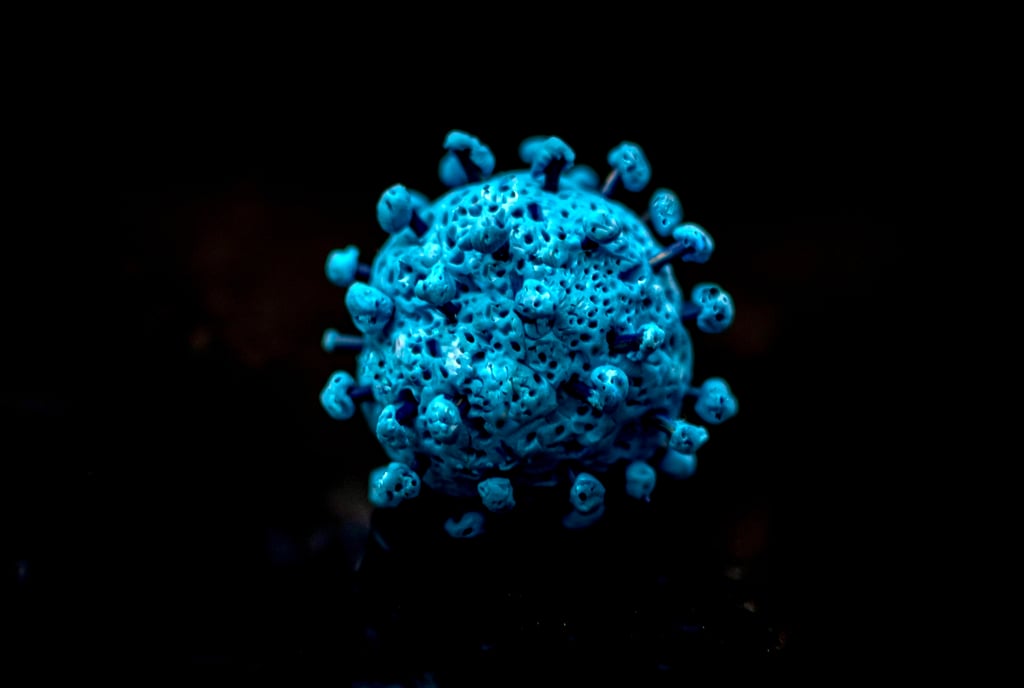
By now, it’s no surprise that the COVID virus continues to mutate, and new strains still pop up. The latest one is even making an unwelcome encore after first appearing on the scene in 2024.
Visit extonnews.click for more information.
Here's what to know about the reemergence of the COVID variant, Cicada.
Why is the new COVID variant called Cicada?
BA.3.2, nicknamed Cicada, first started infecting people in South Africa in late 2024, according to the U.S. Centers for Disease Control and Prevention (CDC). It was overcome by other variants, but it reemerged and began causing infections in the U.S. about a year later—following a pattern of being dormant and active, like a cicada. Cicada isn’t responsible for a large number of new infections in the U.S. yet, although it’s been behind about 30% of Europe's COVID infections in recent months.
How is Cicada different from previous COVID strains?
Scientists say that Cicada carries 70 to 75 new mutations in the spike protein, the portion that the human immune system recognizes and targets. That's more than in the more dominant variants that began circulating in 2023. But on the more reassuring side, Cicada is still part of the Omicron family of viruses, which first appeared in 2021 (also in South Africa), which means it may still share some genetic similarities to recent variants.
Read More: Do You Have Unexplained Symptoms? They Might Be Post-Viral
How widespread is Cicada?
So far, Cicada has caused infections in more than two dozen states in the U.S., although information on COVID infections, and the strains behind them, are less reliable than they used to be and not as precise. More people now use at-home tests, and doctors and public-health officials are not required to report COVID cases as frequently as they once were.
Does the COVID vaccine protect against Cicada?
Because Cicada is part of the Omicron family of COVID viruses, updated vaccines that target Omicron’s dominant strains, such as JN.1, are still effective in fighting BA.3.2. However, they may provide less protection given the changes in the virus. "Does the current vaccine provide some protection? Lab data would indicate yes, but not as much," says Dr. William Schaffner, professor of infectious diseases at Vanderbilt University Medical Center and past board member of the Infectious Diseases Society of America. "It would appear that all the protections we have from our experience with the virus and with vaccines probably offer more limited—not zero—but more limited protection against this strain." That's based on lab studies the CDC says showed that Cicada was able to evade some vaccine-based protection.
Recent confusion over changes in the federal government's recommendations for who should get an annual COVID shot is leading to lower COVID vaccination rates overall, says Schaffner. That includes people who are most vulnerable to developing severe disease and being hospitalized, such as the elderly and people with weaker immune systems. According to the CDC, COVID hospitalizations peaked at the end of December and beginning of January, particularly among those age 75 or older.
Read More: The 1 Small Change That Can Reset Your Sleep
"If we look at the patients who continue to be admitted to the hospital with COVID, they are members of the high-risk groups, but they also have one other characteristic almost universally in common—and that is they are not up to date on their vaccines," Schaffner says.
High-risk people should be getting a COVID vaccine not just in the fall but also before the summer season, CDC says, since COVID seems to peak twice a year, unlike the flu. The vaccine isn't meant to prevent them from getting COVID infections, but rather to potentially shield them from developing severe enough disease that sends them to the hospital. "The function of the vaccine is to keep us out of the hospital," says Schaffner. "It's not very good at preventing milder disease; it works best by averting severe disease." The fact that many of the people hospitalized for COVID are not up to date on their vaccination suggests that the shot, while not directly targeting Cicada, can still provide some protection.
What are the symptoms of new COVID variant?
The symptoms aren't different from those of previous COVID variants: sore throat, fever or chills, headache, cough, body aches, and runny nose. They are similar to symptoms of the flu, so the best way to know if you have COVID is to test yourself. Most symptoms last for a few days to a week.
Do COVID tests still work on Cicada?
It's still a bit of a question mark, Schaffner says; the data aren't yet available. But some experts say that since these tests look for parts of the virus that change less easily, they should still be able to detect Cicada.
Does Cicada cause worse disease than previous variants?
It’s not clear yet whether Cicada’s mutations are causing worse COVID disease compared to previous variants, or whether it will become a dominant strain if it’s able to evade the human immune system. Doctors will need to study more cases to know for sure.