Iranians begin forming human chains around power plants ahead of Trump’s deadline, social media videos show
· Fortune
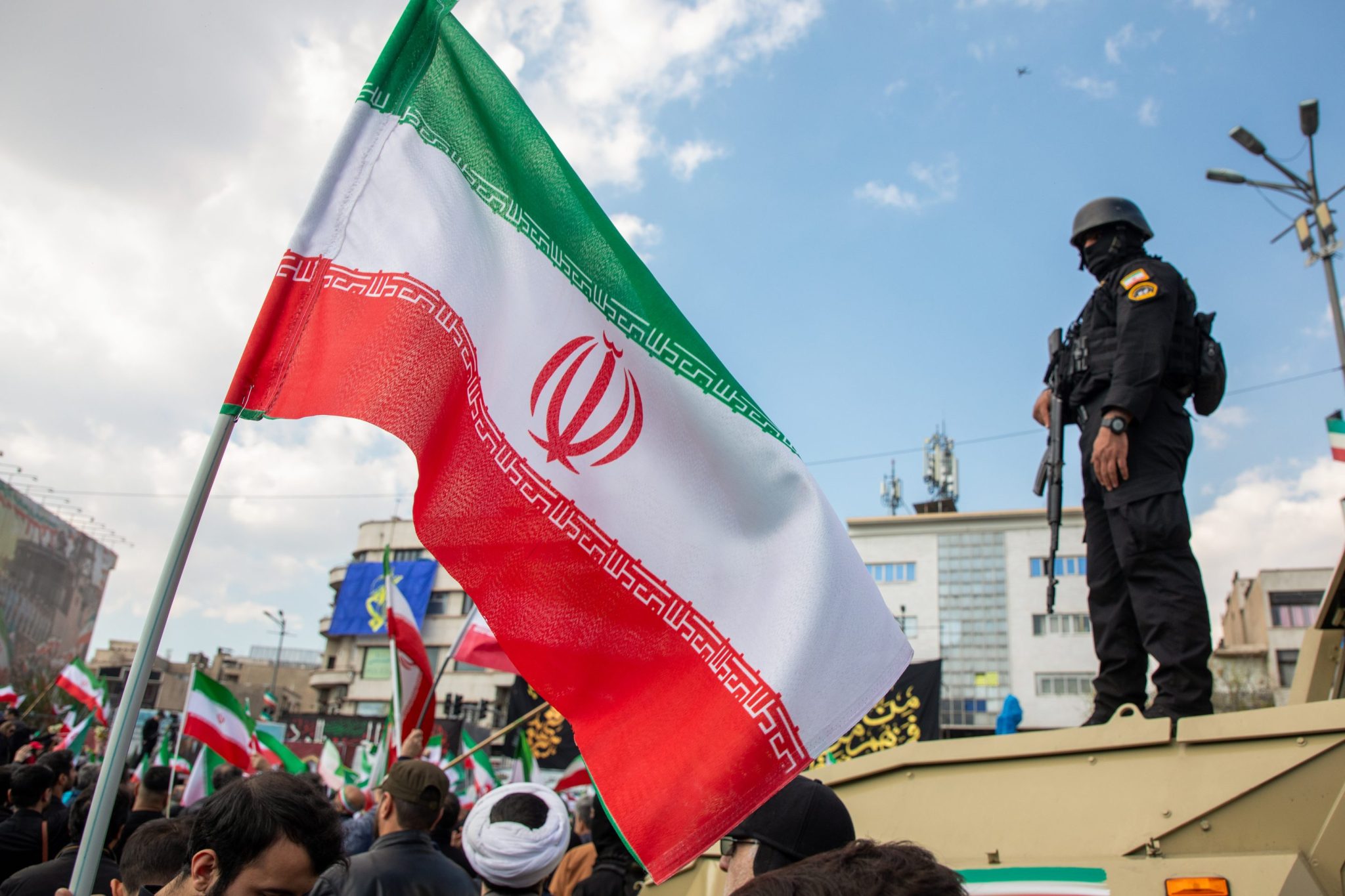
As President Donald Trump’s 8 p.m. ET deadline for Iran to reopen the Strait of Hormuz approached Tuesday, Iran’s government asked its citizens to do something for its country: go stand in front of the power plants.
Alireza Rahimi, identified by Iranian state television as the secretary of the Supreme Council of Youth and Adolescents, appeared in a video statement Tuesday urging “all young people, athletes, artists, students and university students and their professors” to form human chains around the country’s critical power infrastructure. Participants were asked to gather at 2 p.m. local time in front of power generation stations across the country. The campaign was officially branded “Human Chain of Iranian Youth for a Bright Tomorrow.”
Visit turconews.click for more information.
“Power plants that are our national assets and capital, regardless of any taste or political viewpoint, belong to the future of Iran and to the Iranian youth,” Rahimi said. “We will stand side by side … to say that attacking public infrastructure is a war crime.”
Later on Tuesday, videos emerged on social media depicting Iranians standing in a chain in front of the Kazeroon power plant, waving the Iranian flag. Fortune could not independently verify the videos. Independent news website DropSite News also reported that protestors were standing in front of Ahvaz and Dezful bridges and the Rajaee, Bisotun, and Tabriz power plants. Nour News, an Iranian outlet close to the Supreme National Security Council, reported that roughly 2,000 youth from various NGOs gathered at power plants nationwide on Tuesday afternoon. At least one major power plant in Tehran was closed off for security purposes at the time the demonstration was supposed to begin, according to the Associated Press.
The call did produce at least one high-profile participant. A video circulated online of Ali Ghamasari, an Iranian musician known as a critic of the Islamic Republic, playing the tar, a traditional Iranian string instrument, in front of the Damavand power plant.
“I hope the sound of my tar can have an impact on peace,” he said in Persian in the video. In 2019, Ghamasari was banned from performing in the country after clashing with Iranian authorities for not removing a female singer.
The call came as Tehran escalated its diplomatic defiance. Iran cut off direct communications with the U.S. on Monday morning in response to Trump’s threat that “a whole civilization will die tonight,” according to Middle Eastern officials cited by the Wall Street Journal, although indirect talks through regional ceasefire mediators in Pakistan, Egypt, and Turkey continue. It remains unclear whether direct talks will resume before the 8 p.m. deadline.
Trump ratcheted up the threats against Iran on Tuesday, posting that “a whole civilization will die tonight” and making explicit threats to destroy Iran’s civilian infrastructure.
“Every bridge in Iran will be decimated by 12 o’clock tomorrow night,” Trump told reporters at a White House press conference Monday. All power plants, he said, would be “burning, exploding and never to be used again.”
President Masoud Pezeshkian separately posted on X that 14 million Iranians had answered a call to volunteer to fight in the event of a U.S. or Israeli ground invasion, double previous figures. “I too have been, am, and will remain ready to give my life for Iran,” Pezeshkian wrote.
This story was originally featured on Fortune.com