Tyla’s choreographer Lee-ché Janecke wins Standard Bank Young Artist Award; charts rise to fame
· Citizen
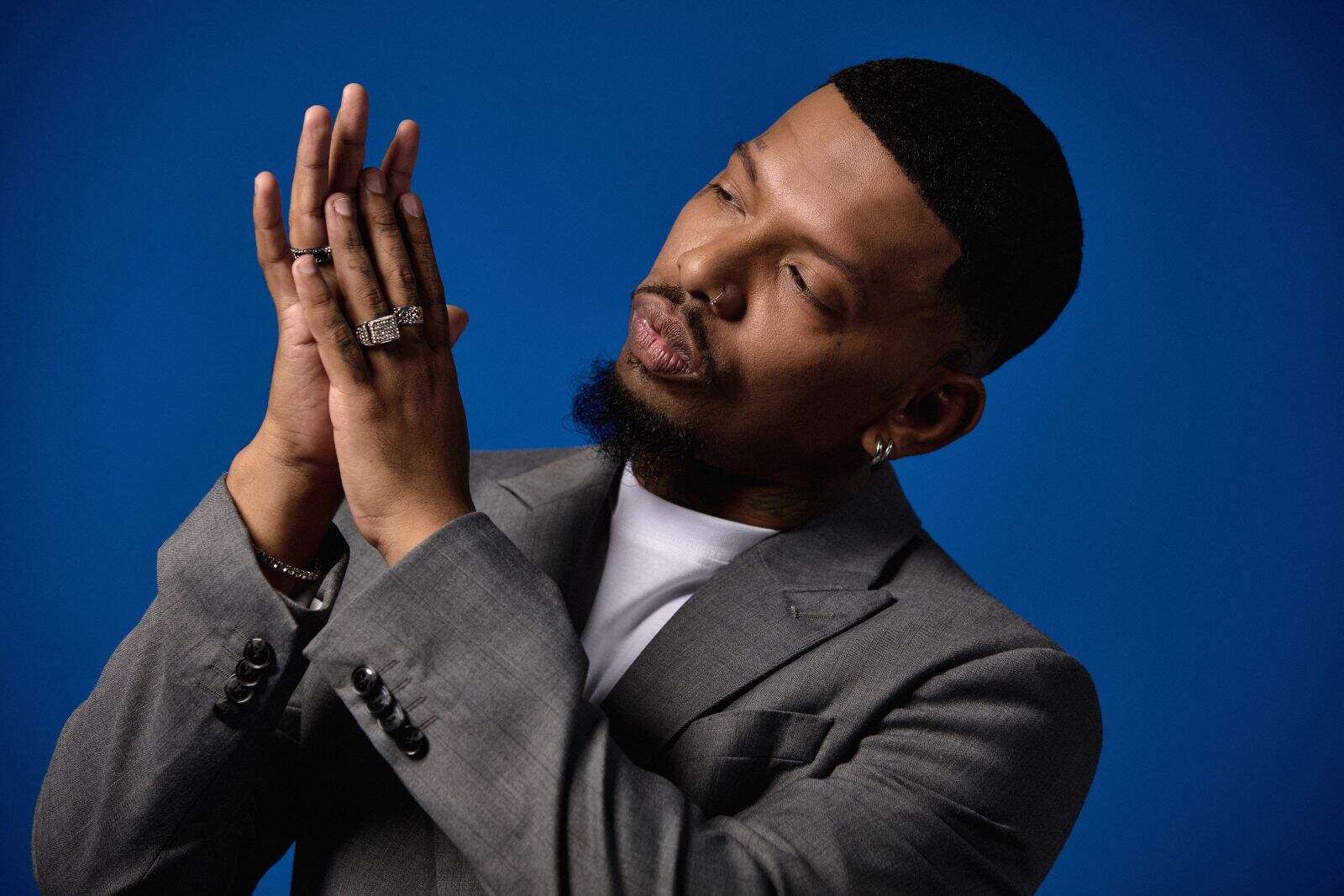
In the world of dance, few stories feel as electric and unpredictable as that of Lee-ché Janecke, who is better known internationally as Litchi HOV.
A recipient of the Standard Bank Young Artist Award, he’s been recognised for pushing boundaries.
Visit somethingsdifferent.biz for more information.
On social media posts, he can be seen showing Tyla the latest dance style. Additionally, working with international DJ Uncle Waffles on her stage choreography and themes.
But the humble dancer is silent about his career moves.
While hosting dance classes in various countries, he is hardly ever seen doing interviews. His moves are silent but strong.
Janecke’s work does not come from traditional contemporary dance institutions. Instead, it lives in viral choreography, music videos, stadium performances, and the fast-moving world of digital culture.
His style reflects a new era where dance travels across TikTok screens, global tours, and award-show stages. These performances connect audiences far beyond the studio.
His biggest mainstream breakthrough came through his long-standing collaboration with two-time Grammy award-winning star Tyla.
Having worked with her since she was just 17, Janecke was the creative force behind the viral choreography for her global hit, Water.
The dance became a cultural moment, helping propel Tyla to international fame. It also turned Janecke into a name the industry could no longer ignore.
A testimony
When he choreographed Tyla’s most talked-about BET stage performance, where a tiger in a cage turns into a group of human dancers, he posted “A testimony” on Instagram.
“I might have been emotional for these past few days, for an array of many different reasons, one of them honestly being overwhelmed by everything, but truth be told, this is bigger than me as a choreographer, it’s bigger than me as a human being, it’s just beyond all of the highlighted parts.
“In reality, I am a vessel to the GOD I serve. I value my love and care for everyone who I meet, work with or even get to have an exchange with.
“In these few months of being able to create in America, so much has changed. Even this? Are you kidding? The BET Awards, my first award show here, a show I grew up watching. A show where the greats performed to the highest degree, and here I am, a South African man working with a South African artist, with a South African team to deliver our stories.
“To be given the opportunity as Africans to express our unique narratives to the world is not a small feat. To get the conversation to change, to get the understanding across that there is not 1 way. To know that there were legends before us who never got their dues but paved a beautiful path for us to be here.
“Never has there been a more important time to express our truths, our images, our creatives, and everything that is unique to us from our own tongues. Our own mouths, our own souls.
From the dust, from the grit, from the streets, from the culture …we also have things to share. Those things should be valued, not frowned upon.
“There is nothing new to offer, hence why it’s an uncomfortable conversation when we get to express our sound, our dance, our realities, on a world stage via our own people.
“I am just thankful to everyone who made this happen. Who put in the work to deliver this in the way it got delivered? SA, Africa, The diaspora. I’ll do an extensive thank you in my next post to credit everyone involved in putting this together.
“This, I just wanted to express from my heart. GOD, thank you for allowing me to fulfil every feeling in my soul and living my dreams through serving you righteously and faithfully so.”
View this post on Instagram
The journey
But his journey started far from the spotlight.
Raised between Bonteheuwel in Cape Town and Eldorado Park in Johannesburg, Janecke grew up surrounded by music.
He remembers his grandfather playing icons like Madonna and Michael Jackson, sparking an early love for movement. Despite initially planning to study accounting, dance proved impossible to resist, even without formal training.
By 2011, he was already exploring identity through movement, embracing femininity in dance, and coming into his own as a gay artist.
He co-founded V.I.N.T.A.G.E, a groundbreaking South African dance crew focused on vogueing and whacking. These styles are rooted in New York’s ballroom culture.
The journey was not without hardship.
ALSO READ:Don’t accept cookies from strangers: What you should know about website trackers
In 2013, the group faced a terrifying attack at a taxi rank after performing at Soweto Pride. A mob surrounded their vehicle, shaking it and shouting threats. “It gave: ‘Yeah girl, this is the end for you,'” Janecke later recalled.
This reflected on the moment that highlighted the risks they faced simply for expressing themselves.
Despite setbacks, including years of coming second in competitions, he pushed forward. By 2015, as V.I.N.T.A.G.E disbanded, Janecke began carving out a solo career. He choreographed for Idols South Africa for six years and steadily built his reputation.
Fast forward to 2025, and his work is firmly global. From the MTV Video Music Awards to Coachella stages, Janecke’s choreography continues to travel. He has worked with stars like Uncle Waffles and taught amapiano dance internationally, including at New York’s Alvin Ailey Extension.
Today, his recognition in dance is not just about awards. It is about redefining what a choreographer looks like in a digital, global era.